Elevate Your Property: Advantages of Professional Tree Cutting Services
Transforming a landscape can be a complex task. Working with skilled tree cutting specialists streamlines this task. Such specialists offer targeted knowledge and capabilities, providing safe and thorough tree removal. This improvement not only boosts curb appeal but also safeguards property value. However, many homeowners overlook essential aspects of tree care. Recognizing the advantages and possible drawbacks can result in more informed decisions. What should homeowners consider before engaging these services?
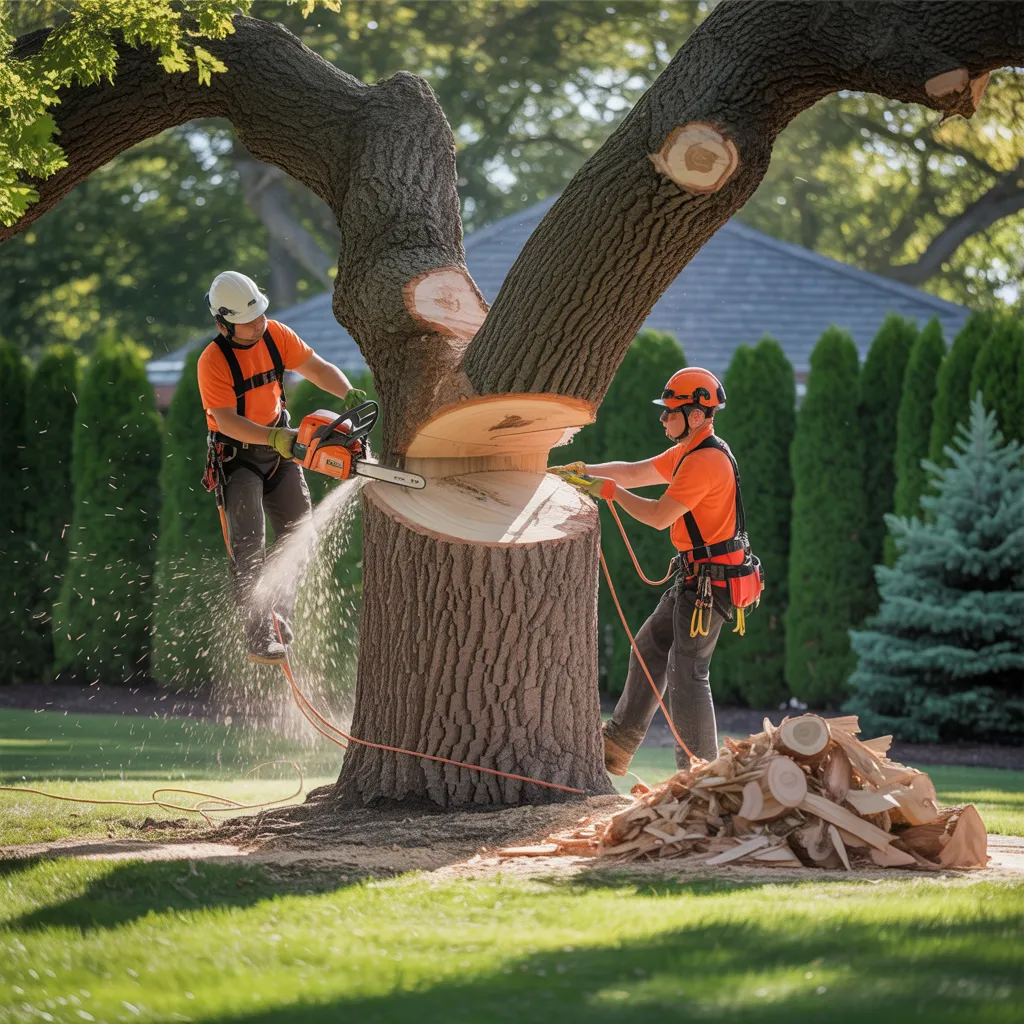
Why You Should Hire Professional Tree Cutting Services
When considering tree upkeep, numerous homeowners recognize the significant benefits of hiring professional tree cutting services. These specialists carry in-depth knowledge about tree types, growth habits, and proper cutting techniques, making sure trees are pruned or removed properly. This expertise minimizes the risk of damage to adjacent structures and landscapes, promoting a healthier environment.
Moreover, professional tree cutters are outfitted with the appropriate tools and safety equipment, which are often expensive and require training to use effectively. This boosts productivity while significantly lowering the chances of accidents or injuries. In addition, hiring professionals can save time and effort for homeowners, enabling them to concentrate on other essential responsibilities.
Additionally, tree removal services can deliver valuable inspections of tree condition, guiding homeowners on essential maintenance and care. This forward-thinking strategy contributes to the overall health and appearance of the yard.
How Tree Cutting Services Improve Safety
Expert tree cutting services significantly improve safety for homeowners and their properties. Overgrown or weakened trees create substantial risks, including the danger of falling limbs during severe weather or high winds. Such services examine tree condition and structural soundness, detecting potential dangers before they progress into hazardous situations.
Certified experts use professional-grade machinery to safely remove branches or trees, reducing the risk of incidents that may injure individuals or cause property damage. Moreover, they follow established safety measures that ensure the safety of both personnel and the surrounding area.
How the Health of Your Trees Impacts Property Value
The condition of trees heavily affects property value, largely because of their aesthetic qualities and structural stability. Properly cared-for trees improve the visual appeal of a property, attracting potential buyers and increasing marketability. In contrast, poorly maintained trees may present safety concerns and reduce curb appeal, adversely affecting property values.
Tree Appearance and Appeal
Strong and vibrant trees considerably boost the visual charm and attractiveness of a property, impacting its total worth. Expertly managed trees establish a lush, inviting landscape, attracting potential buyers and increasing curb appeal. The presence of flourishing, well-kept foliage can cultivate an atmosphere of calm and relaxation, making properties more desirable. Additionally, established trees provide shelter and seclusion, enhancing outdoor living spaces and encouraging social interactions. When trees are trimmed and sculpted by professionals, they exhibit a polished appearance that elevates the entire landscape. Conversely, neglected or unhealthy trees can detract from a property's visual appeal, perhaps diminishing its resale potential. Therefore, engaging professional tree trimming solutions ensures that trees continue to be a benefit rather than a burden.
Structural Stability and Security
Even though healthy trees can improve a property's attractiveness, their structural integrity is also essential for both safety and property value. Damaged or deteriorating trees create substantial dangers, including risks of damage to buildings and personal injury. Once branches lose stability or roots begin to fail, the chance of limb failure grows, putting nearby people and buildings at risk. Homeowners should recognize that unhealthy trees can detract from property value, as buyers are often wary of hidden liabilities. Routine evaluations by arborists can detect problems before they escalate, ensuring that trees contribute positively to the landscape. By prioritizing tree health and safety, property owners not only protect their investment but also foster an appealing environment that attracts potential buyers and enhances overall property worth.
Key Things to Know Before Hiring Tree Care Experts?
What steps can homeowners take to select the best tree care professionals? The first step is to carefully investigate any companies being considered. Checking online reviews and testimonials can provide insight into the quality of service offered. Moreover, verifying credentials such as insurance and licenses is essential; trustworthy tree care professionals must carry full insurance to safeguard against unexpected incidents.
Homeowners should also request detailed estimates that outline the range of services involved, ensuring there are no hidden costs. It is advantageous to inquire about the methods and tools the company employs, as contemporary methods can improve safety and effectiveness. Furthermore, a reliable tree care expert will offer a consultation to address individual needs and deliver customized suggestions.
Ultimately, homeowners should trust their instincts during the vetting process. Transparent dialogue and a professional attitude can indicate a business's dedication to exceptional service. By following these guidelines, homeowners can reach well-considered choices when hiring tree care experts.
The Top 5 Tree Care Errors Homeowners Should Avoid
Many homeowners unknowingly make significant mistakes when caring for trees that can lead to long-term damage. A frequent mistake is improper pruning, which may compromise a tree's structure and encourage disease. Moreover, overlooking mulching can result in soil erosion and moisture loss, which harms root systems. Overwatering is another frequent mistake, because it may suffocate roots and attract fungal diseases. Homeowners may also fail to recognize signs of pest infestations, allowing infestations to escalate and compromise tree health. Lastly, ignoring a tree's mature size during planting can lead to overcrowding, reducing growth and intensifying competition for nutrients. Tackling these mistakes is vital for sustaining a healthy landscape and securing the long-term wellbeing of trees. By understanding these pitfalls, homeowners can enhance their tree care practices and contribute to a healthier environment.
Selecting the Best Tree Cutting Service for Your Needs
Selecting the right tree trimming service can considerably affect the health and aesthetics of a landscape. Homeowners should prioritize companies with qualified tree specialists who possess the necessary expertise in tree health and safe cutting practices. Researching online reviews and testimonials can offer valuable information about a service's quality and reliability. Furthermore, collecting various price quotes allows homeowners to assess costs and service options, allowing they choose a provider that meets their financial needs while maintaining high standards.
It is also essential to ensure that the preferred provider is completely insured and licensed, safeguarding the homeowner against possible liabilities. Asking about the tools and techniques used can additionally reflect a service's professionalism and commitment to safety. Ultimately, a reputable tree cutting service will provide a comprehensive evaluation of the trees, providing recommendations for maintenance practical advice and future care to protect the overall landscape quality. In the end, well-informed choices ensure homeowners choose a service tailored to their unique requirements.
Common Questions and Answers
What Is the Typical Cost of Professional Tree Cutting Services?
Professional tree cutting services typically cost between $200 and $2,000, depending on factors such as the size of the tree, its location, and the difficulty of the work. Additional fees may apply for stump removal and other specialized services.
What Time of Year Is Best for Tree Cutting?
The optimal time for tree cutting usually occurs in late winter to early spring, ahead of new growth starting. This approach helps minimize tree stress and decreases the chance of disease transmission.
Are Specific Permits Necessary for Tree Cutting?
Certainly, dedicated permits are commonly needed for tree cutting, according to local regulations. Land owners should consult municipal authorities to verify compliance and prevent possible fines or legal complications resulting from unpermitted tree cutting.
How Can I Tell if a Tree Needs to Be Removed
Tree cutting may be necessary if it shows signs of disease, dead branches, or significant leaning. Furthermore, if it poses a safety risk to structures or people, seeking expert evaluation is recommended for accurate assessment.
What Equipment Is Used by Tree Cutting Specialists?
Tree service specialists generally employ chainsaws, pruning saws, axes, and chippers. Helmets, gloves, and harnesses are critical pieces of safety gear. Additionally, trucks and stump grinders may be employed for efficient debris removal and site cleanup.